As commercial fleets continue to expand, fleet management is becoming more complex. Safety risks, operating efficiency, vehicle management costs, and accident traceability all place higher demands on fleet operators.
Traditional dash cameras can record the driving process, but they mainly support post-event review. They cannot provide effective assistance before risks occur. The application of AI vision systems is transforming vehicle camera systems from simple recording tools into intelligent safety systems with real-time detection, active warning, and data analysis capabilities.
1. From Passive Recording to Active Warning
For large fleets, accident risks often come from blind spots, driver misjudgment, or pedestrians and vehicles suddenly entering danger zones.
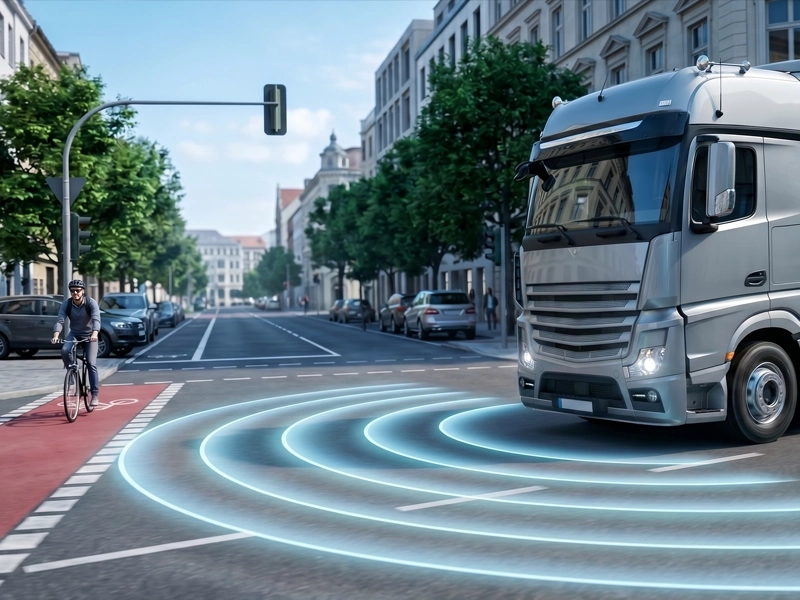
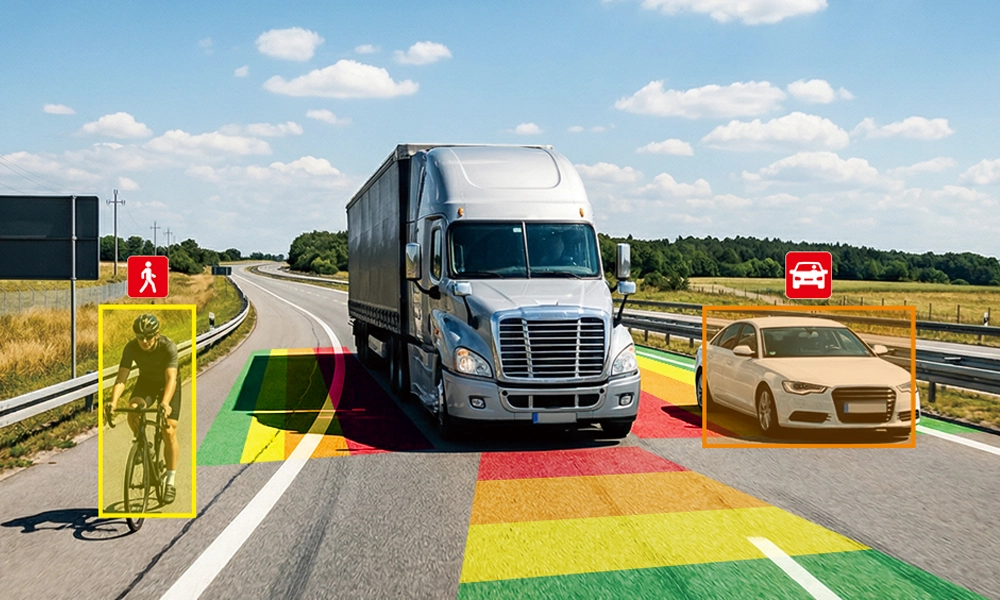
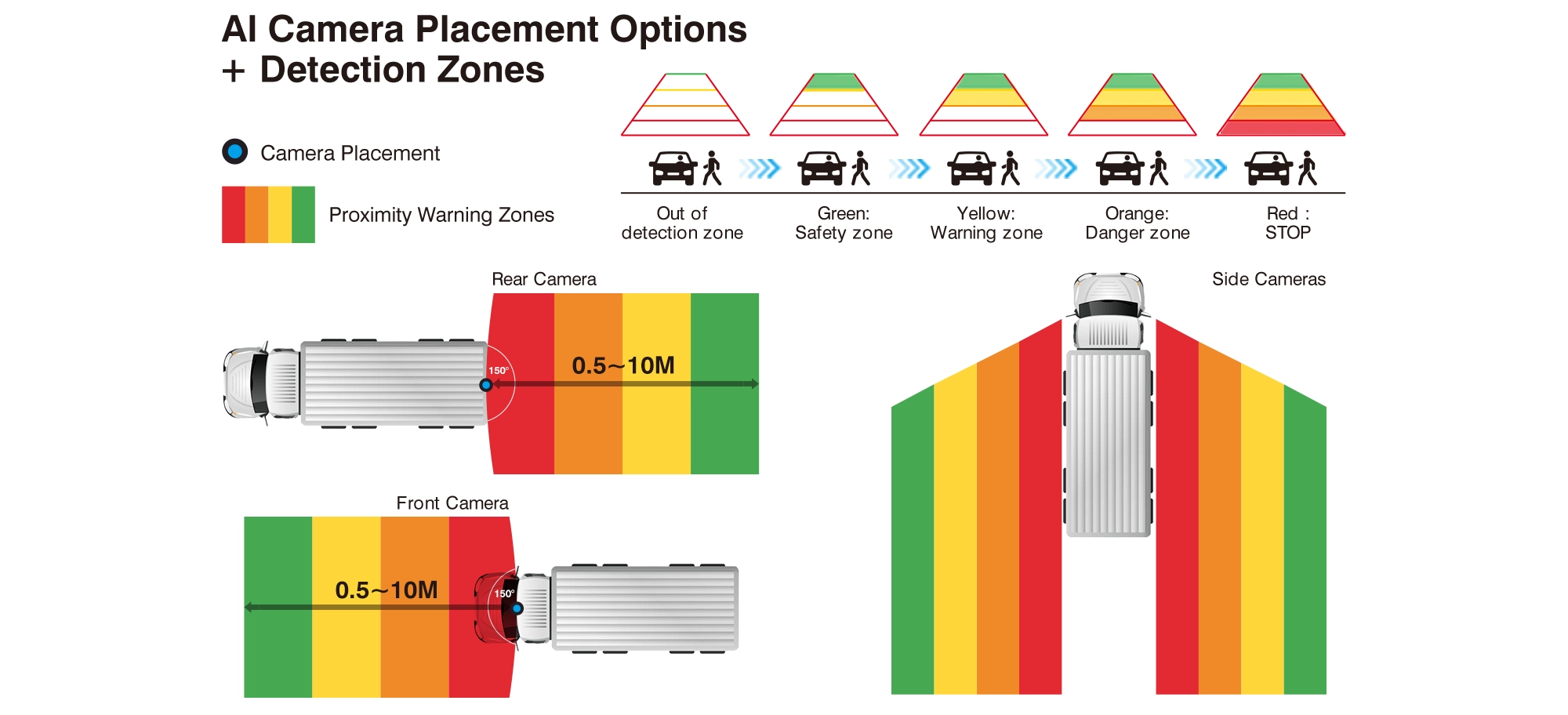
Through front, rear, side, and blind spot cameras, AI detection systems can identify pedestrians, cyclists, vehicles, and obstacles around the vehicle in real time. When a potential risk is detected, the system can alert the driver through on-screen prompts, color warnings, and voice alarms, helping the driver take action before an accident occurs.
This active warning capability is difficult to achieve with traditional cameras or dash cameras.
2. Improving Driver Awareness of the Surroundings
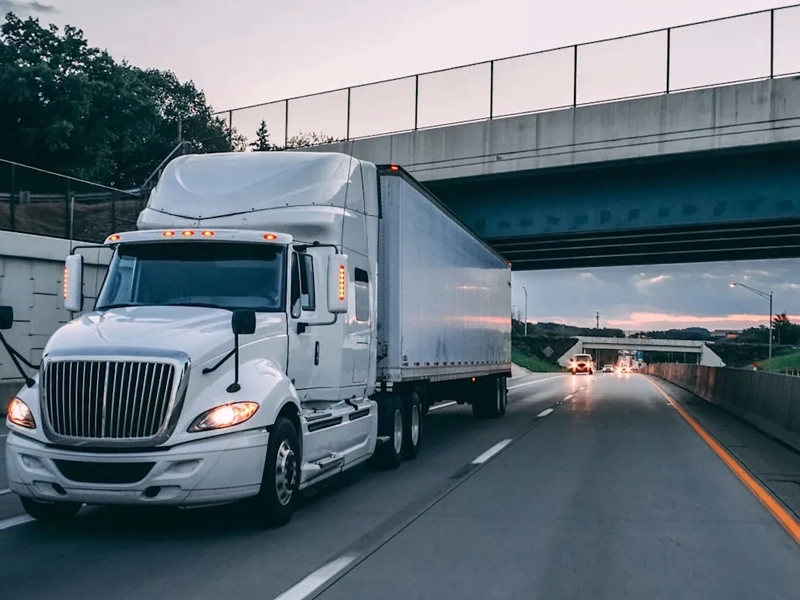
Large commercial vehicles have long bodies and multiple blind spots, making it difficult for drivers to fully understand the surrounding environment through mirrors alone. This risk becomes greater during reversing, turning, lane changing, low-speed driving, night driving, or complex traffic conditions.
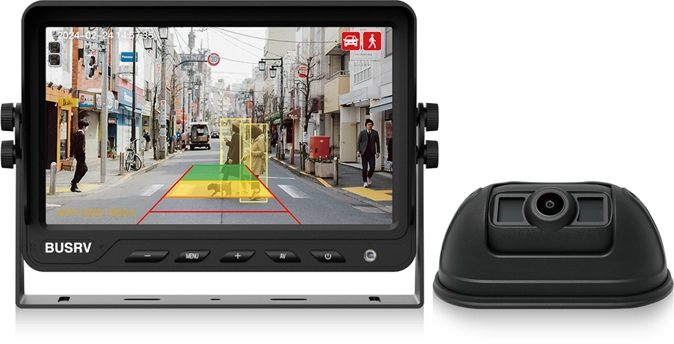
AI vision systems display multiple HD camera views in real time on the in-cab monitor. Combined with intelligent detection, the system highlights key risk targets and helps drivers better judge the vehicle’s surroundings, reducing accidents caused by unseen hazards.
3. Reducing Accident Risks and Operating Losses
The impact of an accident is often more than just repair costs. For fleets, it may also involve vehicle downtime, insurance claims, liability disputes, customer complaints, and brand reputation damage.
Through real-time monitoring and early warning, AI vision systems help reduce the risk of collisions, scratches, blind spot accidents, and reversing accidents. At the same time, HD video recording provides clearer and more complete evidence for accident review, liability determination, and insurance claims.
4. Using Data to Optimize Fleet Management
AI vision systems not only improve driving safety, but also provide valuable data for fleet management.
By recording driving behavior, road scenarios, risk events, and alarm information, fleet managers can better understand vehicle operation status and driver habits. This data can be used for driver training, safety assessment, route optimization, risk analysis, and vehicle management, helping fleets move from experience-based management to data-driven management.
5. Strengthening Vehicle Security and Remote Monitoring
For large fleets, vehicle security is also important. AI vision systems combine real-time monitoring, abnormal event alerts, and video recording to help fleets better understand vehicle usage and reduce risks such as unauthorized use, vehicle theft, cargo abnormalities, and other security incidents.
During parking, loading and unloading, overnight parking, or long-distance transportation, continuous video monitoring and abnormal alerts can provide additional protection for vehicles and cargo.
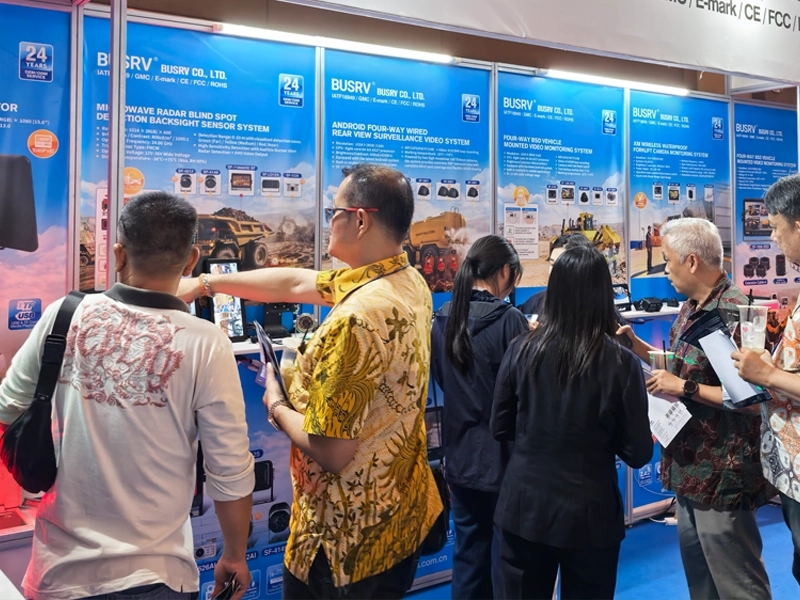
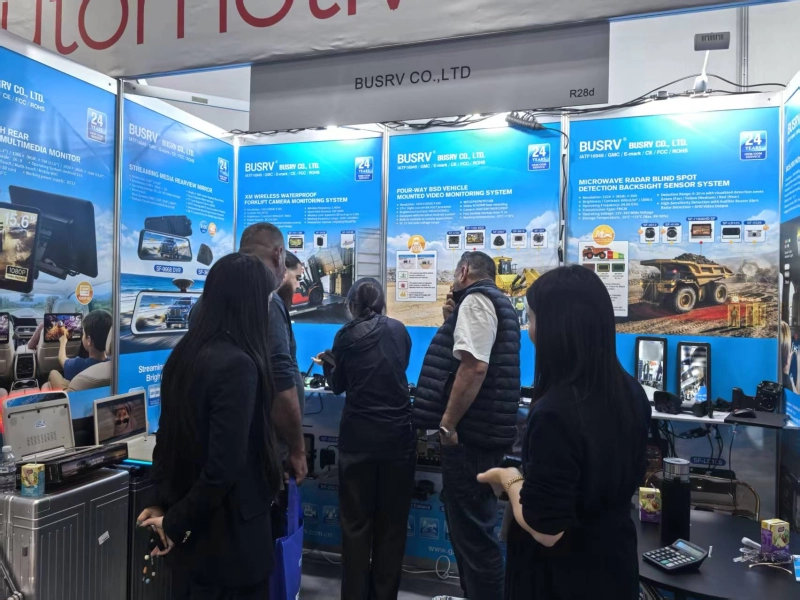
BUSRV combines AI detection technology with HD vehicle camera systems. According to different vehicle types and application scenarios, it can provide front view, rear view, side view, blind spot monitoring, driver assistance warnings, and multi-channel recording functions.
The system supports detection of pedestrians, vehicles, obstacles, and other targets, and helps drivers identify risks in time through audible and visual alerts. Combined with HD cameras, night vision, waterproof and dustproof housings, in-cab monitors, and recording functions, BUSRV provides comprehensive visual safety solutions for buses, trucks, construction vehicles, logistics fleets, and other commercial vehicles.
For fleet operators, safety management cannot rely only on driving experience and post-event video review. AI detection gives vehicle camera systems stronger real-time awareness and active warning capabilities.
By deploying AI vision systems, fleets can improve driving safety, reduce accident risks, optimize operation management, lower liability costs, and provide more reliable safety assistance for drivers.



 English
 中文
中文 Русский
 Español
 Deutsch
 日本語
日本語