Open Nav


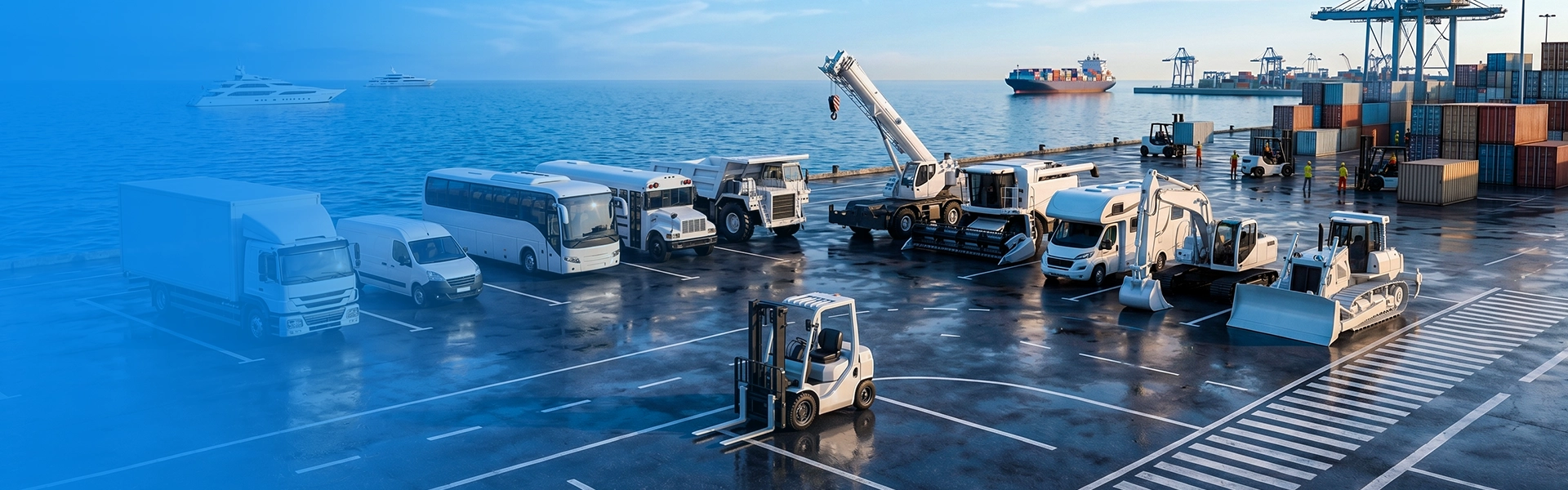
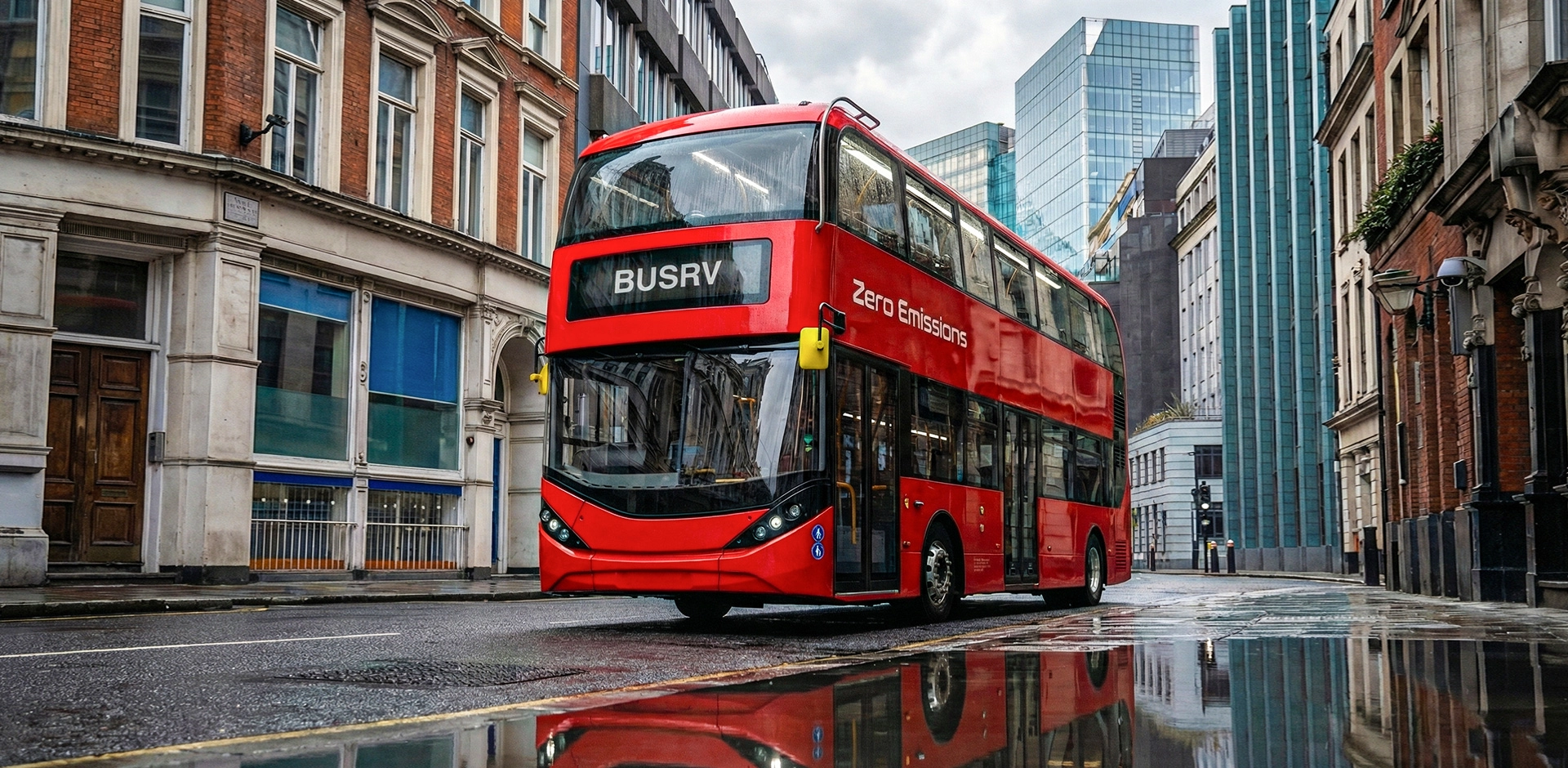
Public buses, long-distance coaches, and minibuses play a vital role in commuter transportation. However, due to their large size and wide turning radius, they have larger blind spots and accidents often result in more serious consequences. During start-up, stop docking, turning, and right-side lane changes, pedestrians and non-motor vehicles can easily enter blind zones. Under nighttime, rain/fog, or backlight conditions, driver visibility is further reduced, increasing overall risk.
Learn More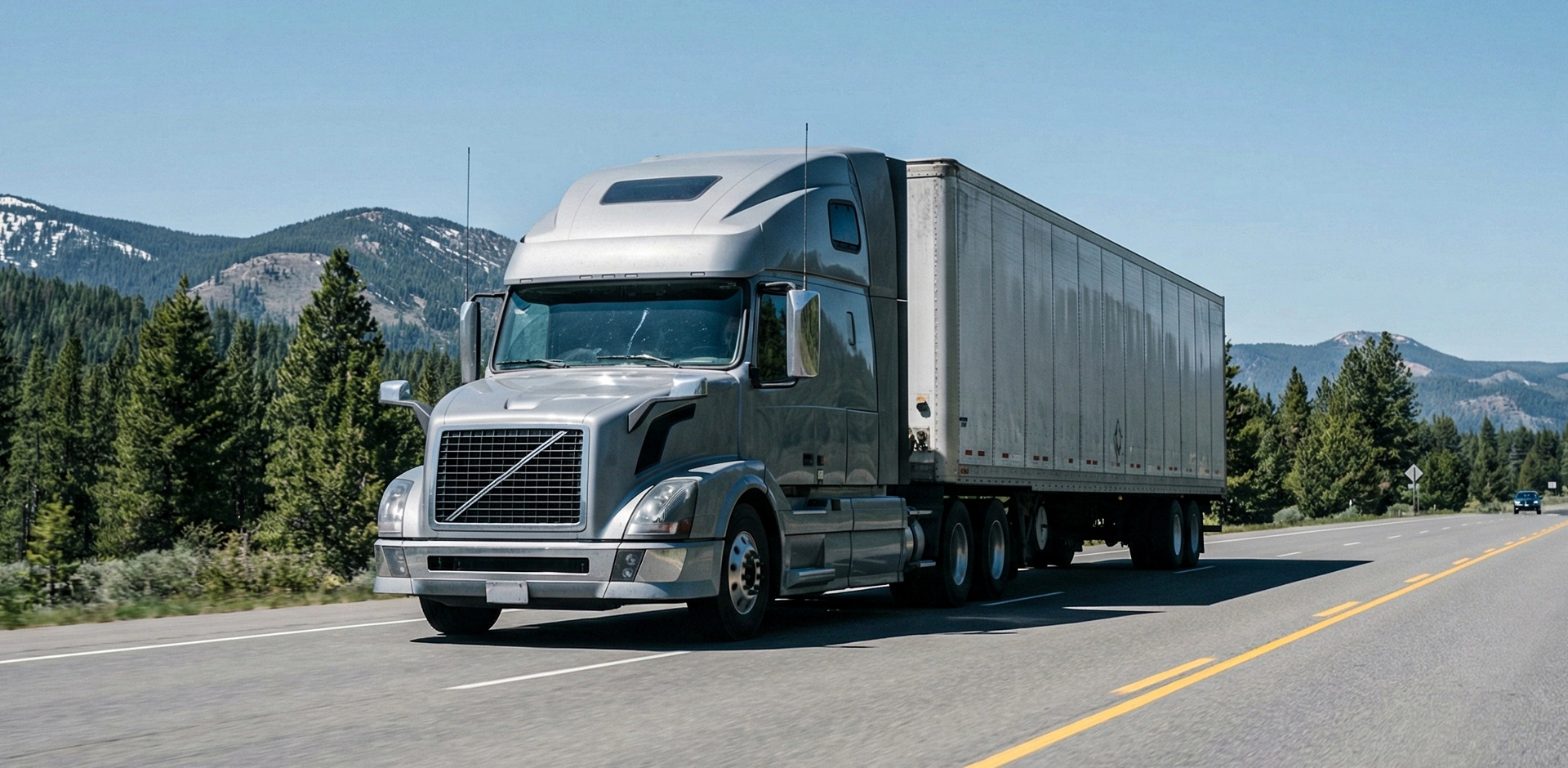
Freight transportation is a key pillar of the modern economy, yet heavy-duty trucks are often viewed by the public as road-blocking, dangerous, and a source of congestion and noise. In reality, most logistics accidents do not occur during high-speed driving, but rather during frequent daily operations such as lane changes, right turns, dock reversing, and entering or exiting logistics parks.
Learn More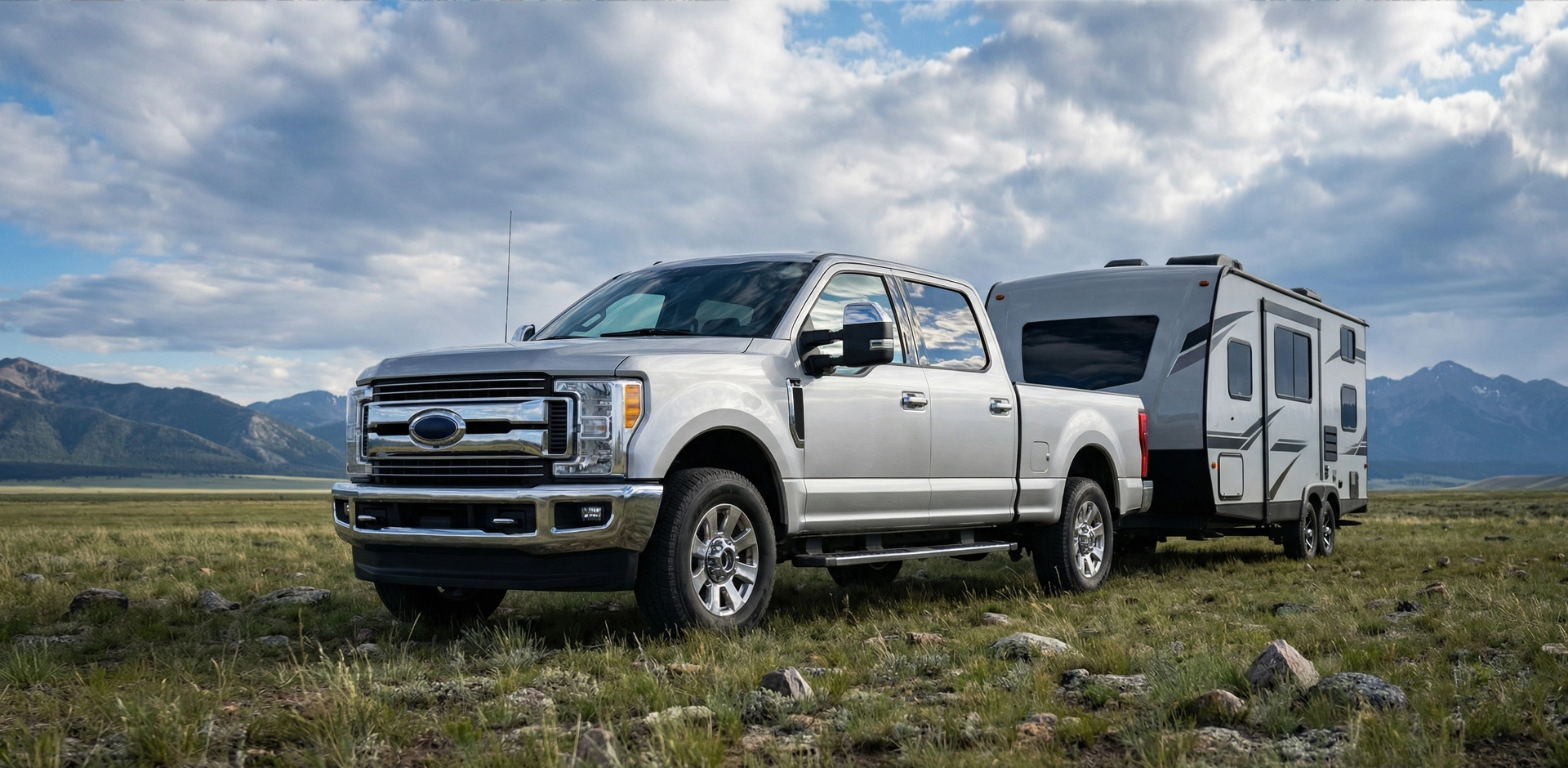
Driving an RV is more than travel—it’s a mobile living space. However, its large size, long wheelbase, and high structure create major blind spots. In urban roads, highways, campsites, or during reversing, visibility is often limited. Drivers may struggle to monitor surrounding changes in time, and pedestrians and small vehicles can easily enter blind zones, increasing accident risk.
Learn More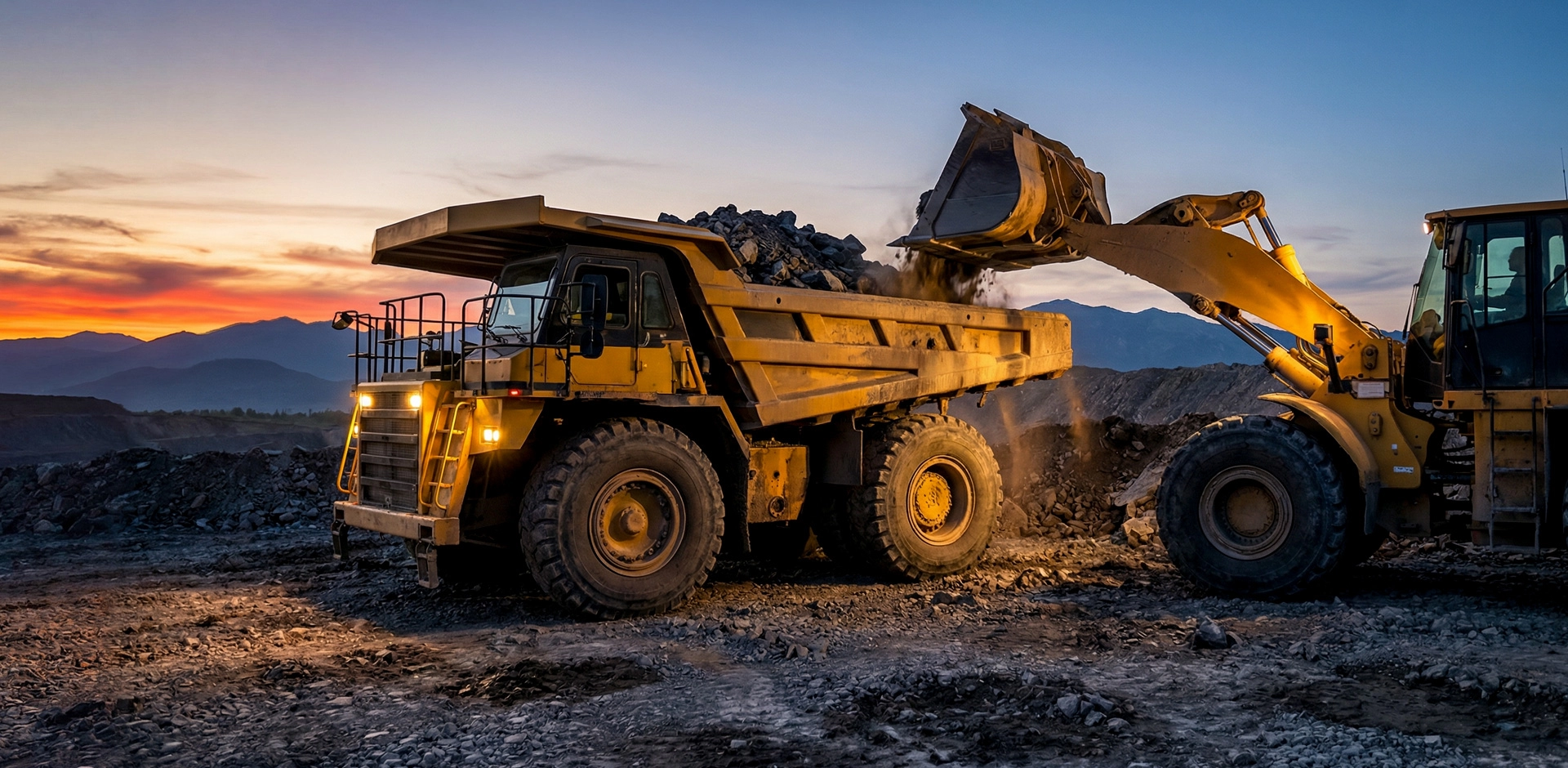
Ensuring the safety of workers in mines and quarries is a challenging yet essential task. With frequent vehicle movement, mixed operations involving personnel and heavy equipment, and harsh conditions such as dust, darkness, and complex terrain, turning, reversing, and loading/unloading operations remain in a constant high-risk state.
Learn More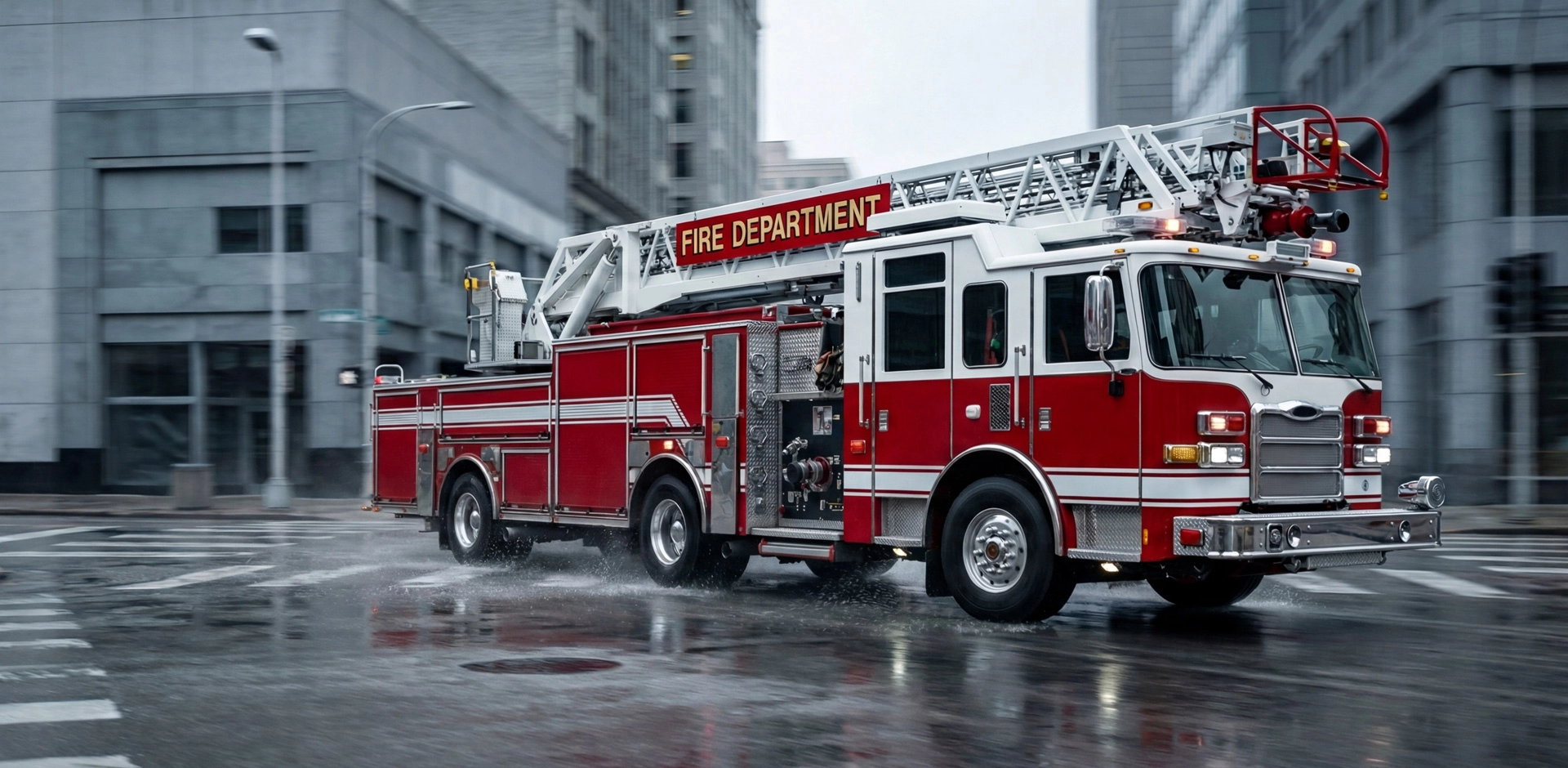
For emergency vehicles such as ambulances, fire trucks, and police vehicles, time is life. During urgent missions, these vehicles often need to drive at high speed, pass through intersections against red lights, travel in the opposite direction, or force lane changes to bypass stopped traffic and respond as quickly as possible.
Learn More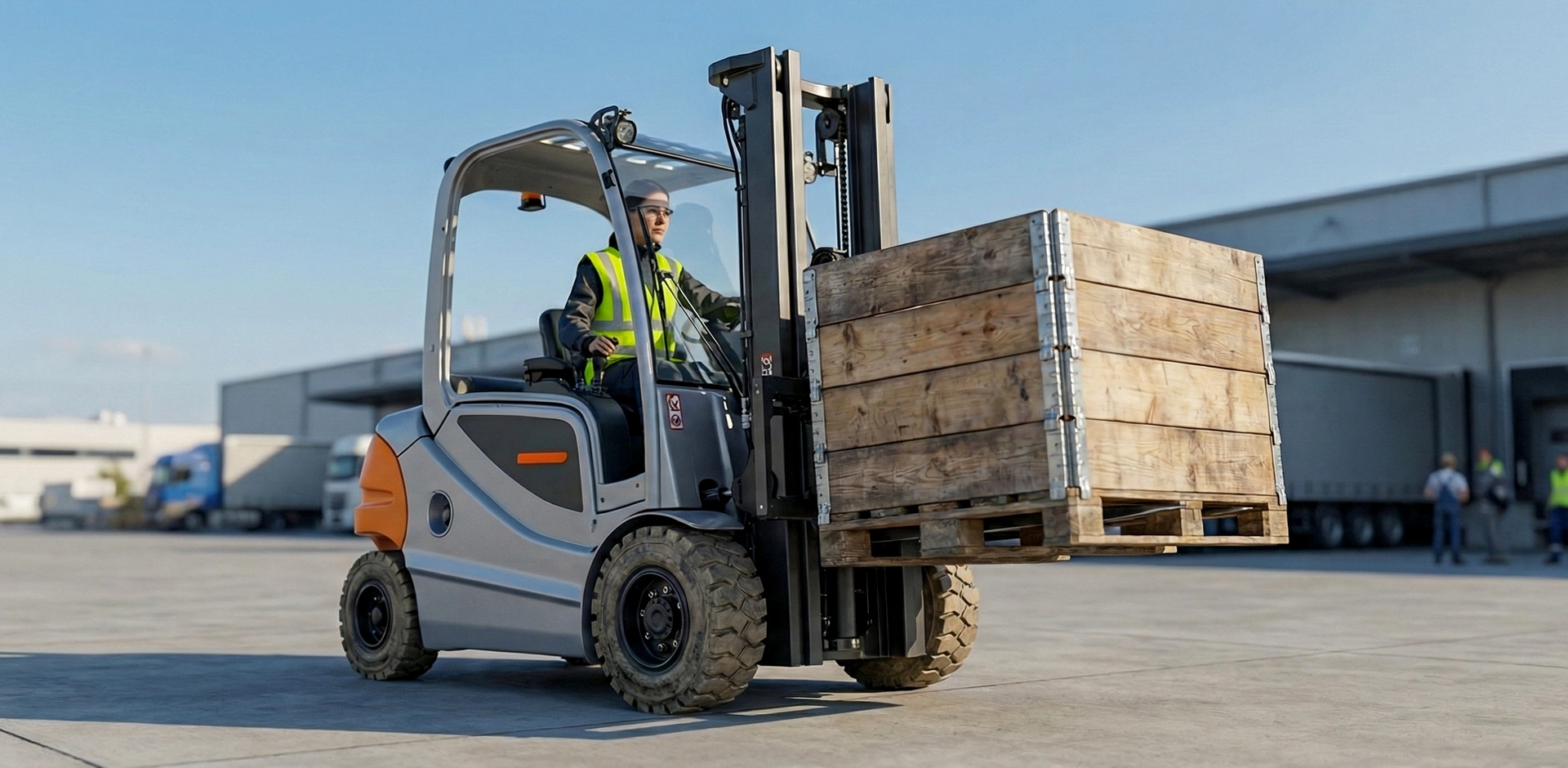
In warehousing and logistics environments, forklifts operate under high-frequency workloads. However, due to blind spots, narrow aisles, cargo obstruction, and mixed traffic between pedestrians and vehicles—combined with dim lighting or backlight conditions—driving risks are continuously amplified. Many safety incidents are not caused by insufficient operating experience, but rather because drivers cannot fully monitor the surrounding environment.
Learn More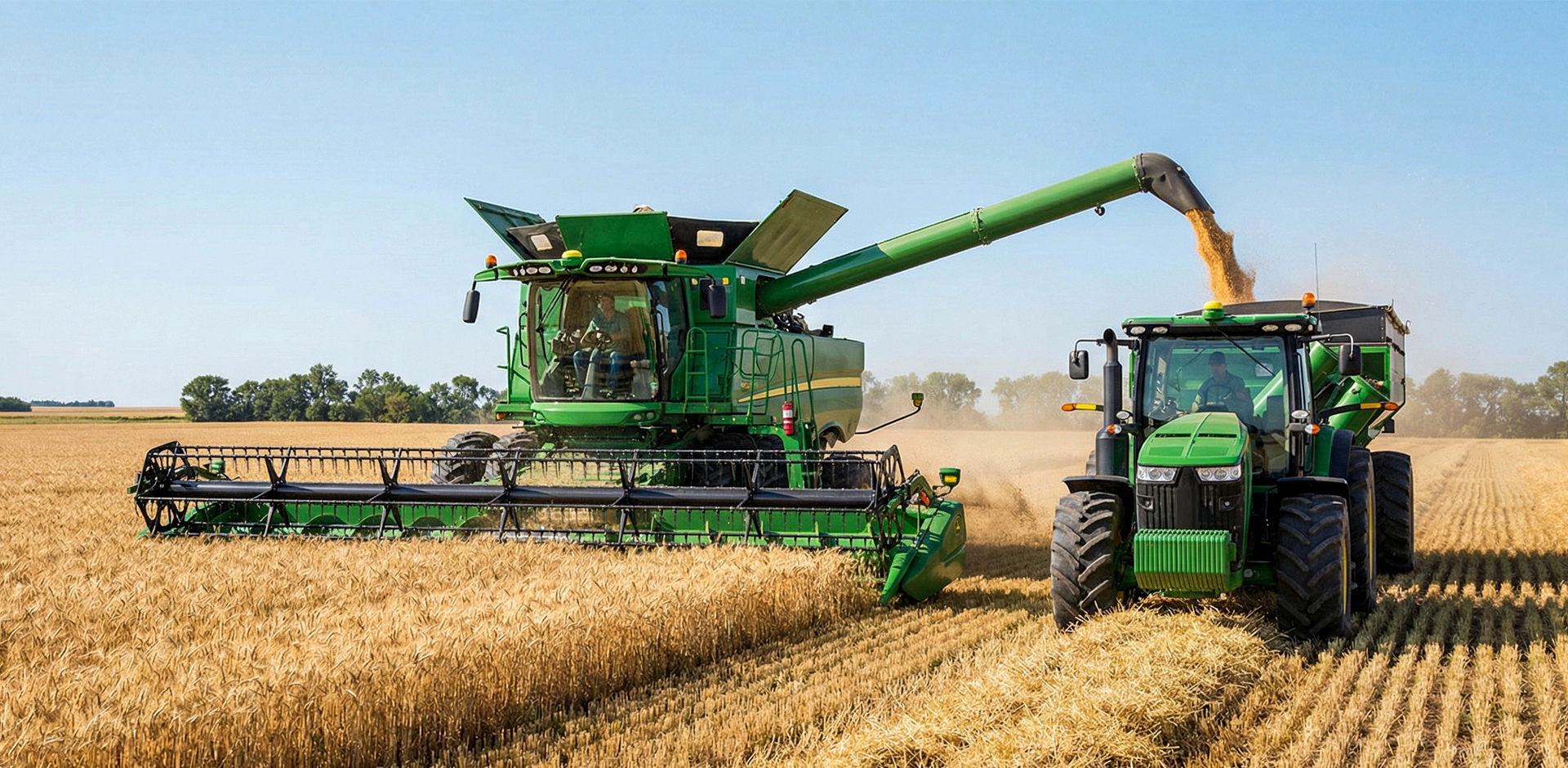
Agriculture is a highly diverse industry. With the widespread adoption of modern agricultural machinery, a long underestimated safety risk has gradually become more apparent—excessive operational blind spots. As global market competition continues to intensify, farmers must constantly improve efficiency to remain competitive, making it essential to strike the right balance between productivity and safety.
Learn More English
 中文
中文 Русский
 Español
 Deutsch
 日本語
日本語